
A comfortable indoor environment depends on more than your heating or cooling system because your windows play a major role in regulating temperature throughout the year. Poor insulation, excessive sunlight, and unwanted drafts can all make it harder to maintain consistent comfort while increasing energy costs. Installing roller shutters in Melbourne can help improve insulation, reduce heat transfer, and create a more energy-efficient living space by enhancing the performance of your windows. Understanding how windows influence indoor temperature is the first step toward creating a more comfortable and efficient home, and this article explores why they are such an important part of the equation.
How Windows Influence Heat Transfer
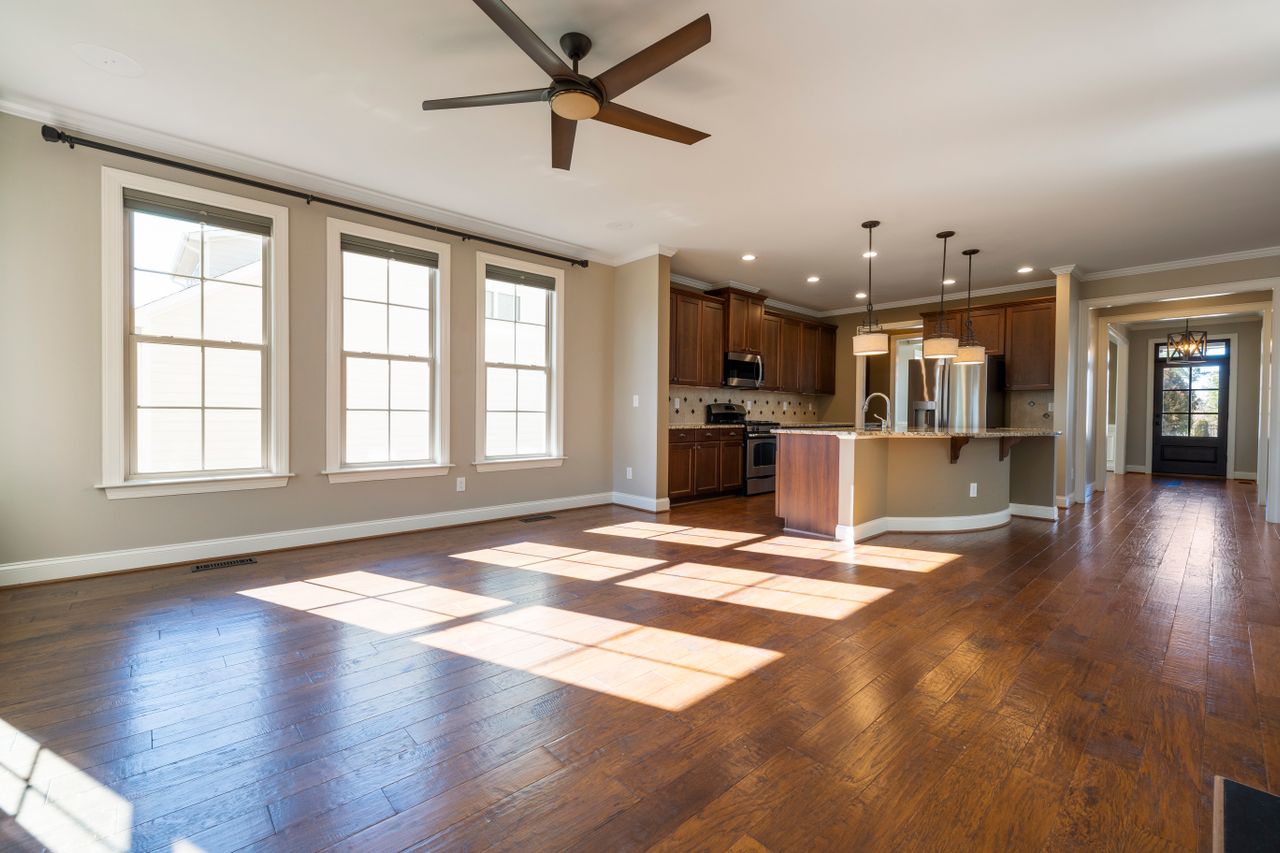 Windows act as a barrier between indoor and outdoor environments, making them a key factor in heat transfer. During warmer months, sunlight passing through glass can increase indoor temperatures, while colder weather allows heat to escape through poorly insulated windows. The amount of heat transferred depends on factors such as the type of glass, the quality of the frame, and the effectiveness of the window seal. Because windows are less insulating than solid walls, they naturally become one of the primary pathways through which thermal energy moves.
The Importance of Window Insulation
Modern windows are designed to reduce unwanted heat movement while allowing natural light to enter a building. Features such as multiple panes of glass, insulating gas layers, and specialized coatings improve thermal performance by limiting heat transfer. Proper insulation helps indoor spaces remain more stable regardless of changing outdoor conditions. Well-insulated windows reduce the workload placed on heating and cooling systems by slowing the exchange of heat between the interior and exterior environments, contributing to greater energy efficiency.
The Role of Window Placement and Sunlight
The location and orientation of windows significantly affect indoor temperature throughout the day. Windows that receive direct sunlight can introduce considerable solar heat, especially during the hottest hours. In contrast, windows with limited sun exposure may contribute less to indoor warming. Seasonal changes in the sun’s position also influence how much natural heat enters a building. Understanding how window placement interacts with sunlight highlights why architectural design plays an important role in maintaining comfortable indoor conditions throughout the year.
Why Proper Window Maintenance Matters

Even high-quality windows can lose effectiveness if they are not properly maintained. Worn seals, damaged frames, or small gaps around the window can allow air to move freely between indoor and outdoor spaces. This unwanted air movement reduces temperature stability and forces heating or cooling systems to operate more frequently. Regular inspection and maintenance help preserve the insulating qualities of windows and ensure they continue performing as intended. Well-maintained windows contribute to improved comfort and more consistent indoor temperatures.
Windows as Part of Overall Energy Efficiency
Indoor temperature control depends on the combined performance of many building components, and windows are an essential part of that system. Efficient windows work alongside insulation, roofing, walls, and climate control equipment to create a balanced indoor environment. When windows effectively reduce heat gain and heat loss, buildings require less energy to maintain comfortable temperatures. This integrated approach demonstrates that window performance is closely connected to the overall efficiency and long-term sustainability of a home.
Windows play a fundamental role in indoor temperature control by influencing how heat moves between the inside and outside of a building. Their insulation, placement, construction, and maintenance all contribute to a home’s ability to remain comfortable throughout changing seasons. Rather than serving only as sources of natural light and ventilation, windows are an important part of a building’s thermal performance. Recognizing their impact helps explain why effective temperature control begins with understanding and maintaining the windows that shape the indoor environment.